Lighting sign technologies
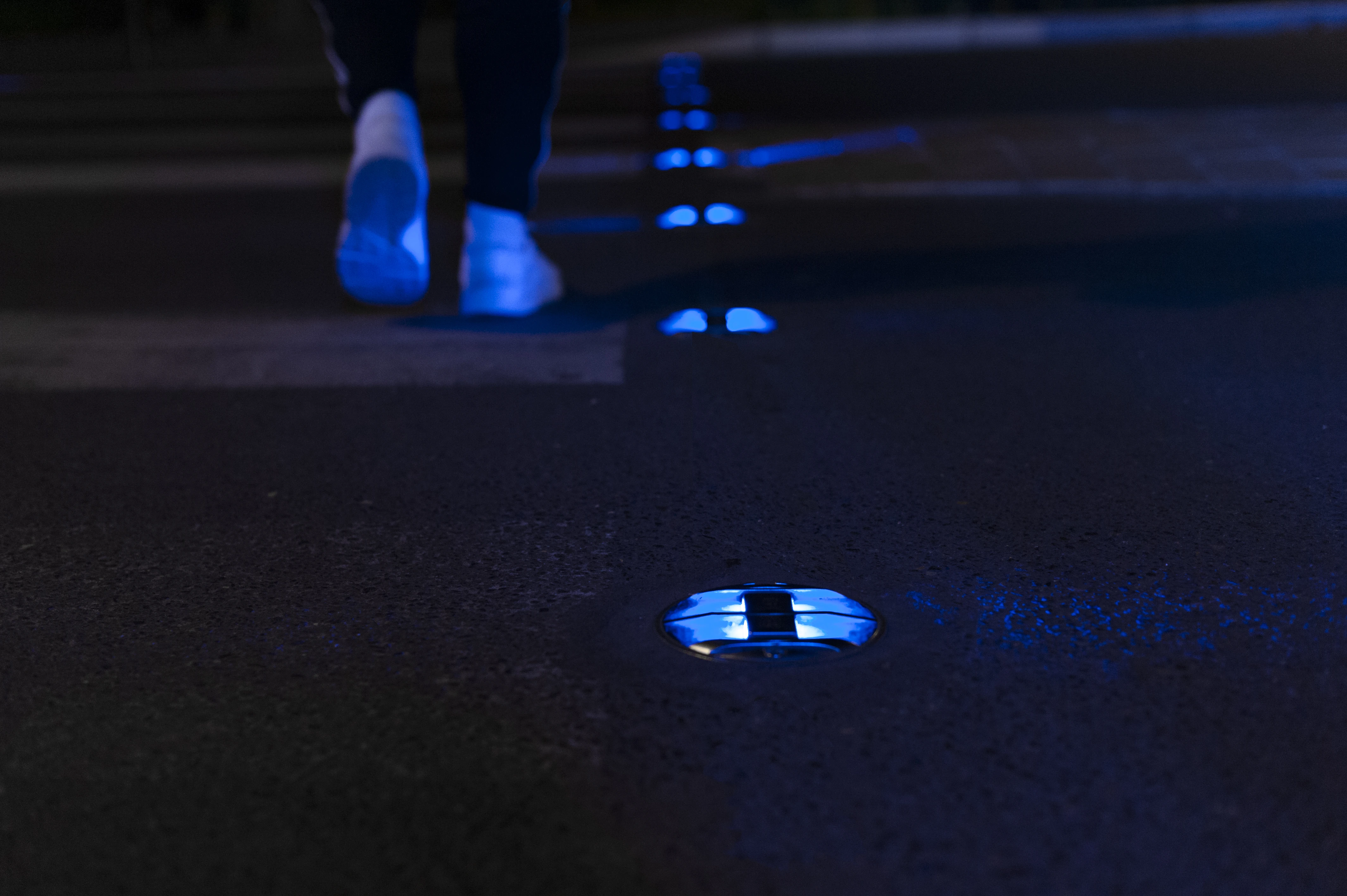
LED technology for wayfinding
A light-emitting diode (LED) is an optoelectronic component capable of emitting light when an electric current crosses it.
Today, LED technology has become a benchmark in lighting and signage, thanks to its high energy efficiency, reliability and longevity.
The majority of ECO-INNOV signage and wayfinding solutions (excluding purely reflective devices) incorporate LED technologies optimized for their intended use:
- light output,
- colorimetry,
- energy consumption.
We work in partnership with internationally recognized LED manufacturers, whose components are selected for their optic performance and long-term stability.
The main advantages of LED technology
- Very low power consumption, thanks to excellent light output ratio
- Long lifespan (up to 50,000 hours and more), with gradual end-of-life
- Increased safety due to very low voltage operation
- Low heat emissions compared with conventional technologies
- No UV emissions
- No low- or medium-frequency radiation emissions, unlike fluorescent lamps
- Wide variety of colors, fixed or dynamic, by LED combination or control
- Wide choice of color temperatures :
> 2,300 to 3,200 K: warm white
> 3,500 to 4,500 K: light warm white
> 5,000 to 6,000 K: ivory white
> 6,500 K and over: cool white
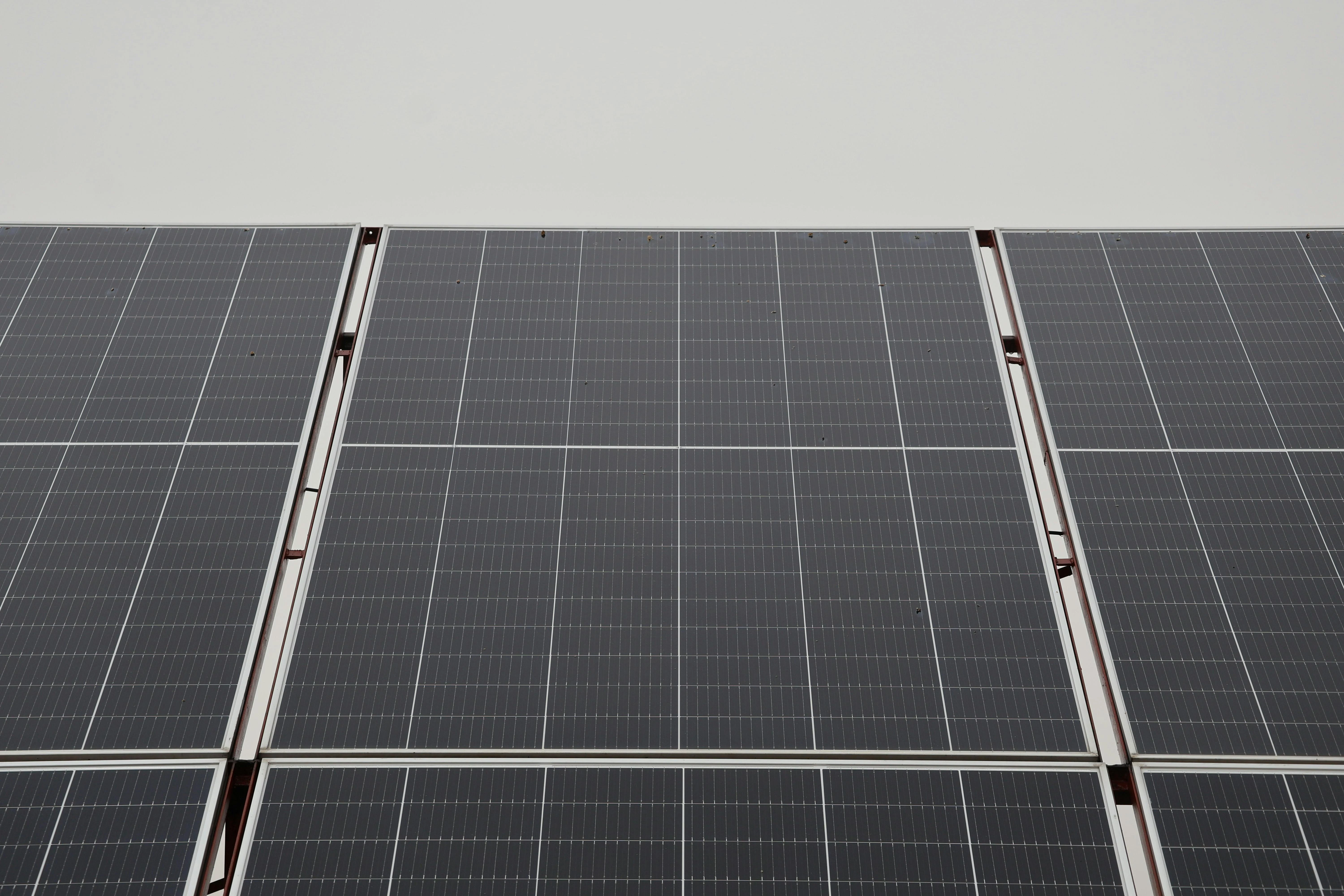
Photovoltaic cells for energy-efficient LED wayfinding
A photovoltaic cell is an electronic component that transforms light (photons) into electricity, thanks to the photovoltaic effect. The voltage produced depends on the light intensity received, and is delivered in the form of direct current.
Photovoltaic cells are mostly made from semiconductors, mainly silicon, but also other materials such as :
- copper indium selenide (CIS / CIGS),
- cadmium telluride (CdTe).
They are assembled in modules or solar panels, depending on the power required by the application.
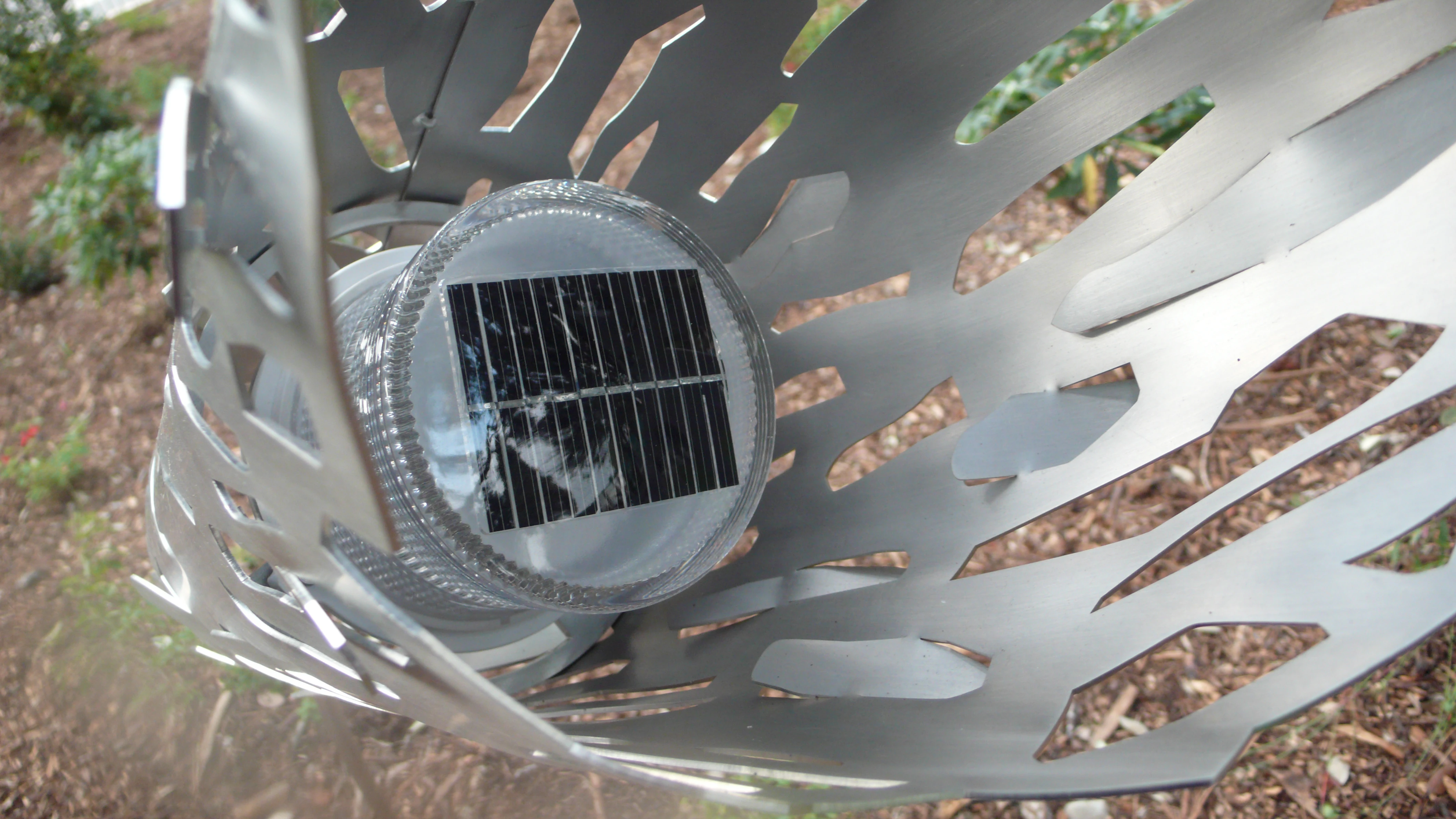
Monocrystalline silicon photovoltaic cells
The molten silicon is cooled in a controlled manner to form a single, large crystal. This crystal is then sliced into thin wafers to form the photovoltaic cells, recognizable by their uniform blue hue.
Advantages :
- Good energy efficiency, generally between 14% and 16%.
- Excellent power/surface ratio (approx. 150 Wp/m²), enabling compact integration
- Reliability and stability over time, ideal for stand-alone wayfinding equipment