Re-enchanting public spaces: light as a driver of well-being and local appeal
At a time when local authorities are faced with severe budget constraints and increased demands for energy efficiency, public lighting is no longer a simple functional tool, but a real lever for enhancing the value of the local area. Capable of reinforcing local identity, lighting enhances the living environment and gives new meaning to spaces that are sometimes neglected.
The challenge is clear: to leave a visible and positive imprint, without incurring excessive expenditure or increasing energy consumption. In this context, lighting appears to be a particularly relevant medium, provided that it is scripted and reasoned.
Lighting as a tool for urban regeneration
Well-thought-out lighting contributes to :
- Revitalize downtown areas by making them more legible, welcoming and safe;
- Enhance historical, industrial and landscape heritage;
- Restore identity, without resorting to heavy landscaping.
Contrary to a quantitative approach based solely on lighting levels, the most virtuous projects today favor a qualitative logic: playing with contrasts, revealing volumes, accompanying uses and respecting the night.
Building a sustainable, sober lighting signature
Scenic lighting solutions based on LEC and ECO-INNOV technologies make it possible to reconcile :
- Energy management (reduced consumption, smart management, lighting temporality),
- Durability (durable materials, optimized maintenance),
- Aesthetic and emotional dimension, essential for citizen appropriation.
The aim is not to light more, but to light better: to create a recognizable lighting signature, consistent with the history and uses of the area, while limiting environmental impact.
Case study: second life for an industrial fireplace, reinvented by light
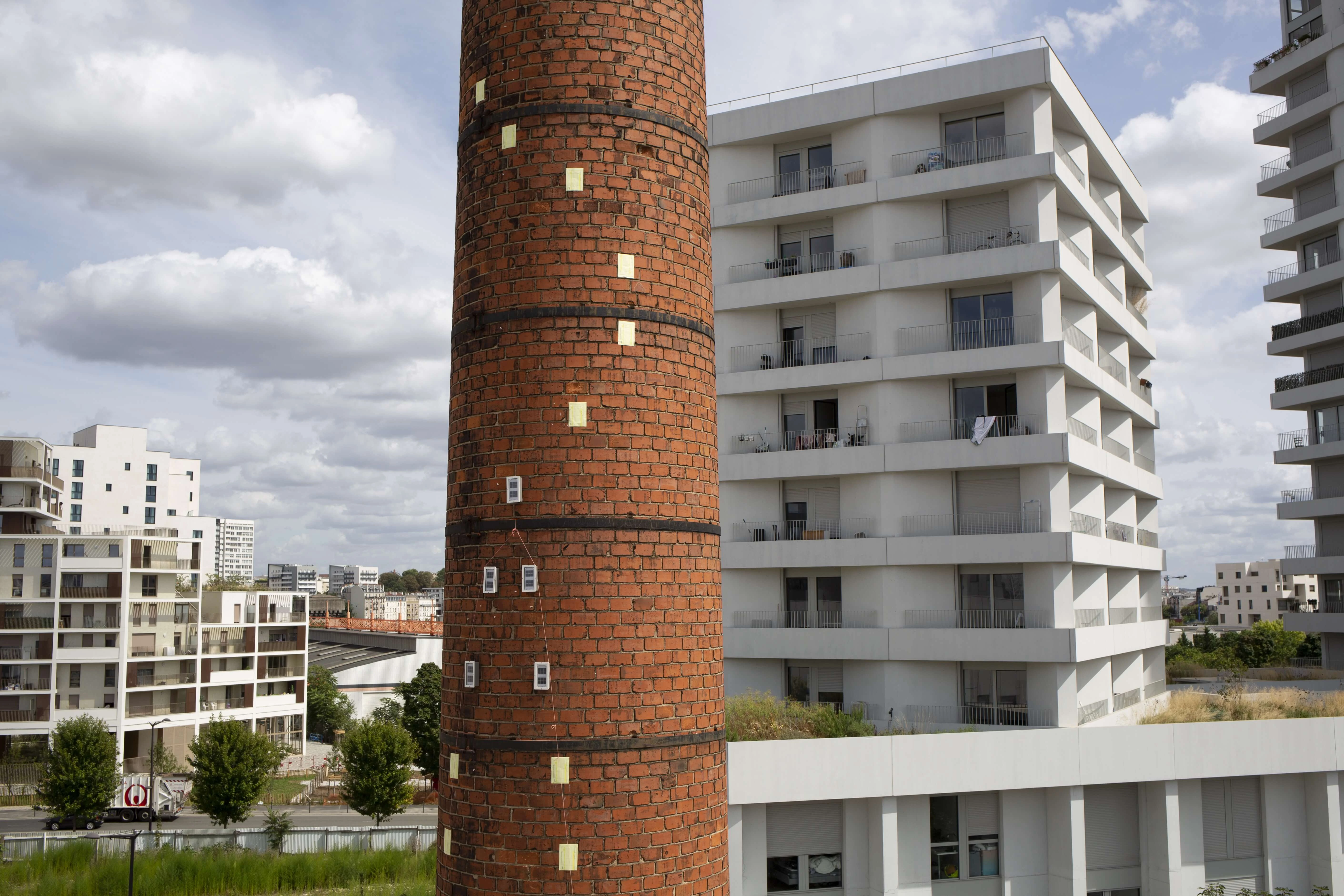
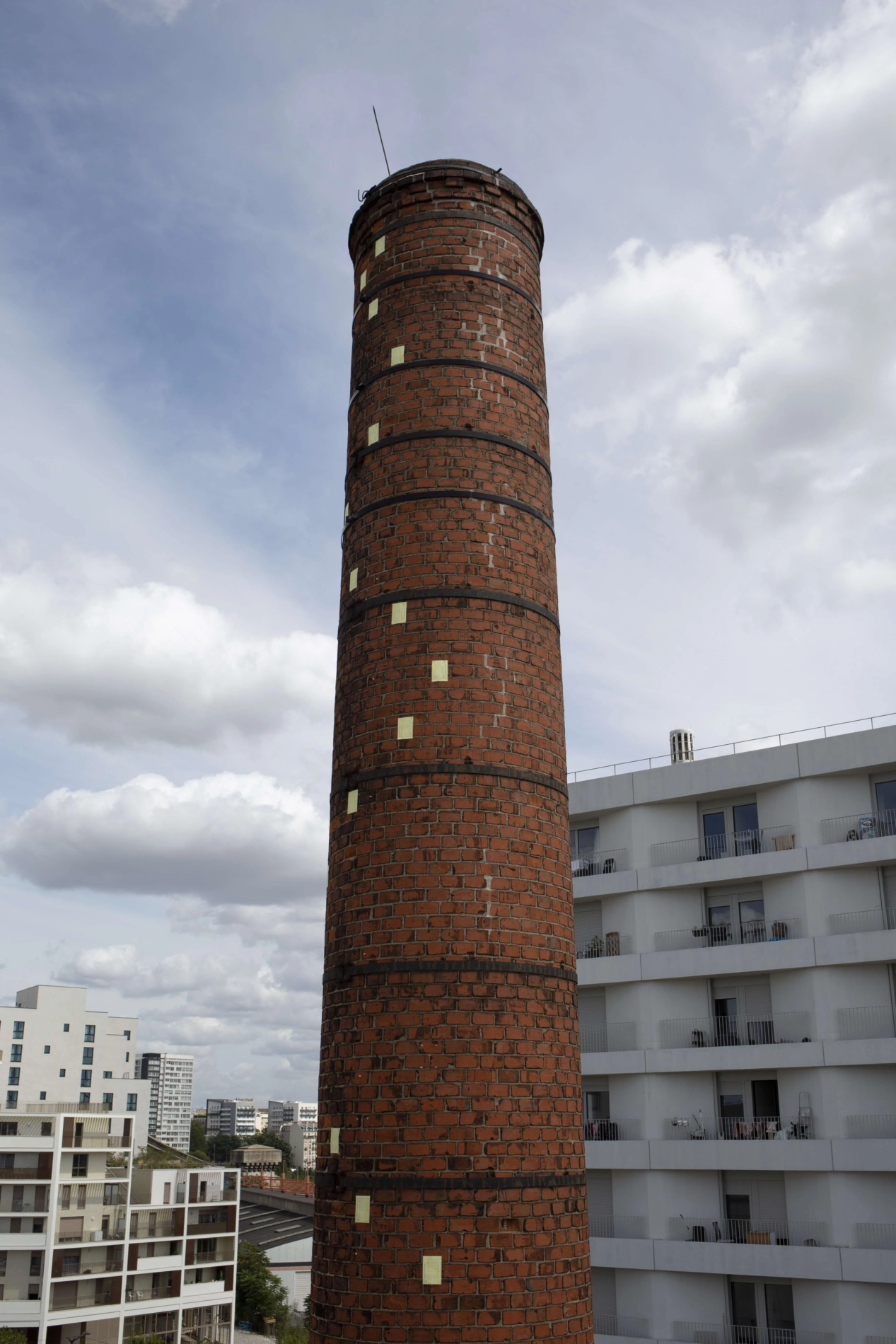
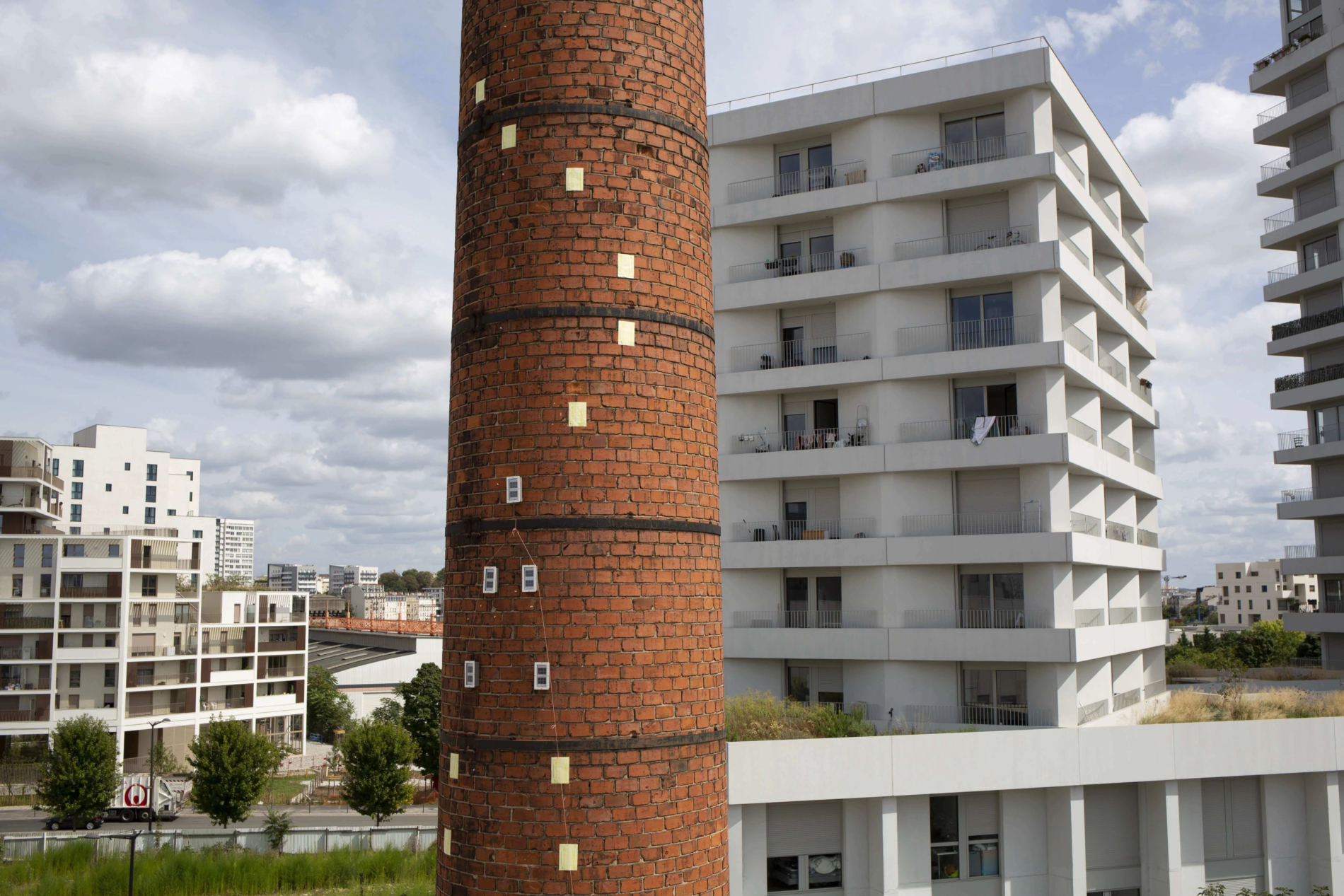
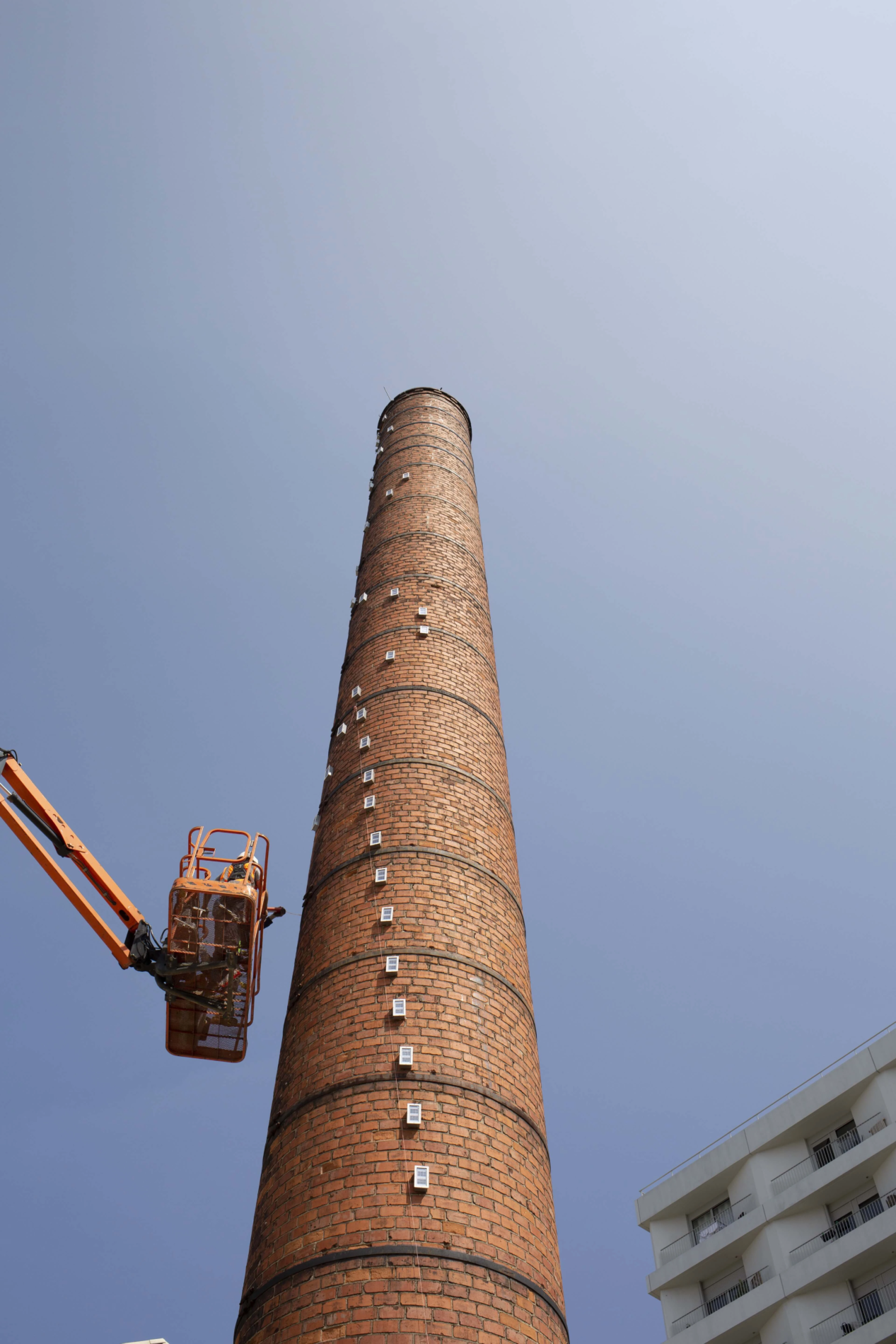
The “En cas de doute horizon 6” project by artist Mirela Popa, in the commune of Ivry-sur-Seine, is a perfect illustration of this approach: a luminous work of art conceived as a sensitive tool for reading the territory, at the crossroads of archaeology, narrative and contemporary creation.
The project is part of a collective, cross-disciplinary approach. As the artist explains, “this project is not just technical or decorative. It’s a global reflection on the site, carried out in collaboration with visual artists and archaeologists”. Light thus becomes a language, capable of revealing without imposing.
The installation is based on a light line, which traces the archaeological enclosure identified on the ground, in reference to the remains of 25 Neolithic houses. It acts as a discreet signal in the nightscape, recalling the site’s memory without freezing it.
The light beacons along the route are inspired by ceramic fragments found during excavations. Their function is not to provide a definitive answer, but to open up a field of interpretation. “The light beacons are a homothety of ceramic fragments: they give indications of periods and dates, but deliberately leave room for questioning,” explains Mirela Popa.
The title of the project directly echoes an archaeological classification: “When archaeologists found a fragment without certainty, they would say: ‘in doubt, we’ll put it in horizon 6’. This doubt has become material for the project. Light thus acts as a metaphor, a bearer of possible stories, visible mainly at night.
Conceived as a living work of art, the installation is part of everyday life. In winter, the light persists in the darkness, then gradually fades with daylight. “I’ve been told of a feeling of spark that remains and fades as the morning progresses”, reports the artist.
ECO-INNOV was chosen for its experience with artists and the quality of its exchanges. “Mirela Popa emphasizes, “There’s a real sense of listening, of top-mounted attention to the project. The solutions implemented give priority to autonomy, energy efficiency and respect for the environment, demonstrating that it is possible to reconcile high artistic standards, sustainability and attention to the living world.
The use of solar solutions played a decisive role in the implementation of the project. The energy self-sufficiency of the systems means that they can be installed in a lightweight manner, without grid lighting, thus limiting construction work, infrastructure costs and impact on the existing site. This simplicity of deployment is particularly well suited to sensitive public spaces, heritage sites or those undergoing change, where the intervention must remain discreet and reversible.
In this project, solar energy is not a simple technical choice, but a coherent extension of the artistic and ecological approach. It allows us to create a meaningful, visible and symbolic work of lighting, while demonstrating that it is possible to illuminate a territory without consuming more energy or disturbing the balance of life.
About the artist
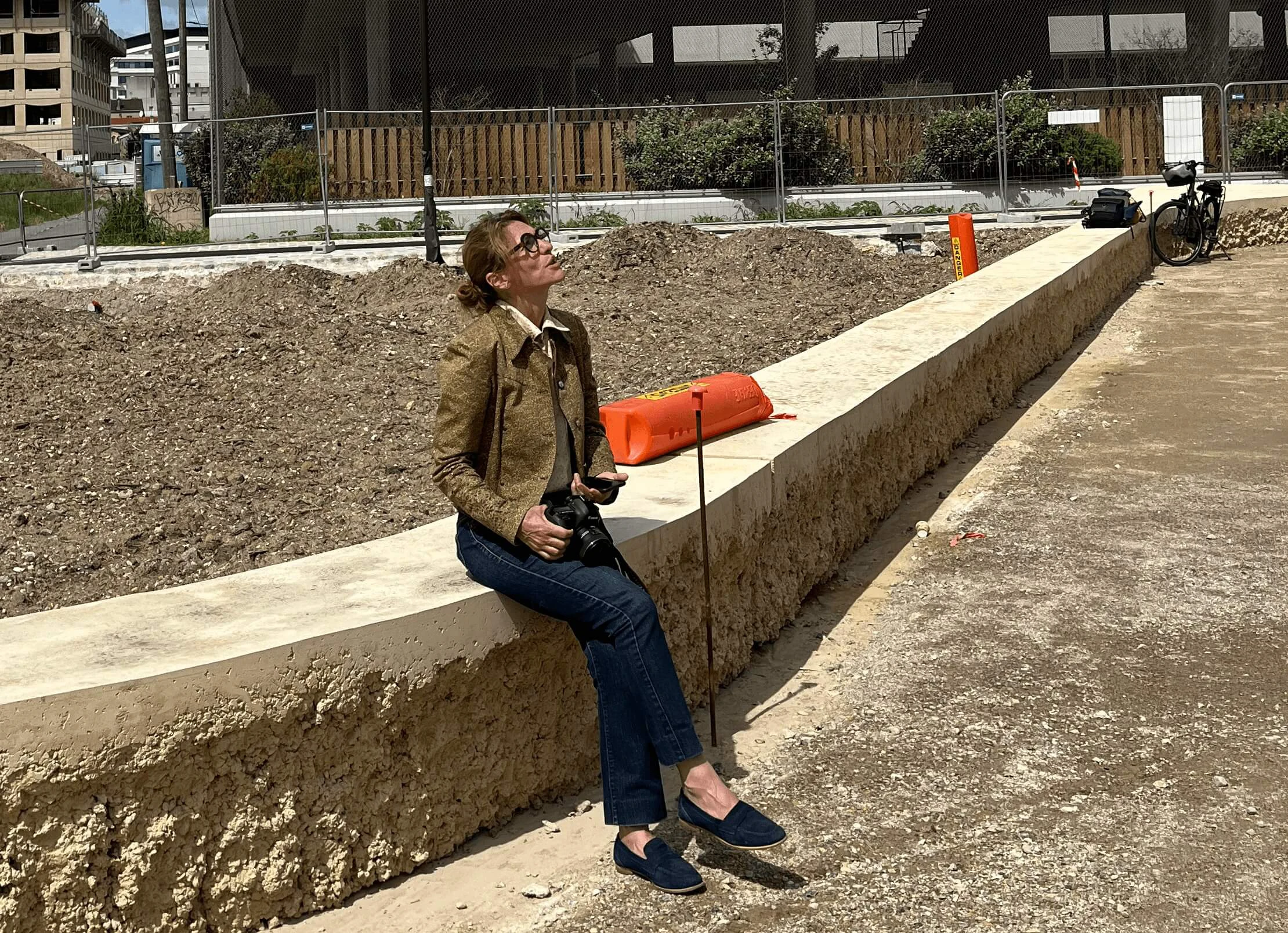
Mirela Popa is developing an artistic practice linked to the history of territories and the traces they preserve. After four years’ participation in archaeological digs carried out by Inrap in Ivry, she designed En cas de doute, Horizon 6, a luminous work inspired by archaeological methods, a metaphor for a changing territory and its link to history, from the Neolithic to the present day.